Personalization at scale: the ladder from {first_name} to 18% replies
Merge fields aren't personalization — they're mail merge. The four rungs of the personalization ladder with reply-rate data at each level, what each rung costs per prospect, and how to climb without hiring interns.
By Norbelys Chirinos, Co-founder
Founder-reviewed ·How we research and correct articles
The word “personalization” covers everything from Hi {first_name} to a
paragraph that could only ever have been written to one human being. Sellers
use the same word for all of it; inboxes don’t. Woodpecker’s June 2026
benchmark of 20M+ platform emails put segment-level relevance at 7–9%
replies and advanced,
research-based personalization at 17–18% — on the same products. That
gap is the entire difference between outbound that works and outbound that
gets a domain quietly filtered.
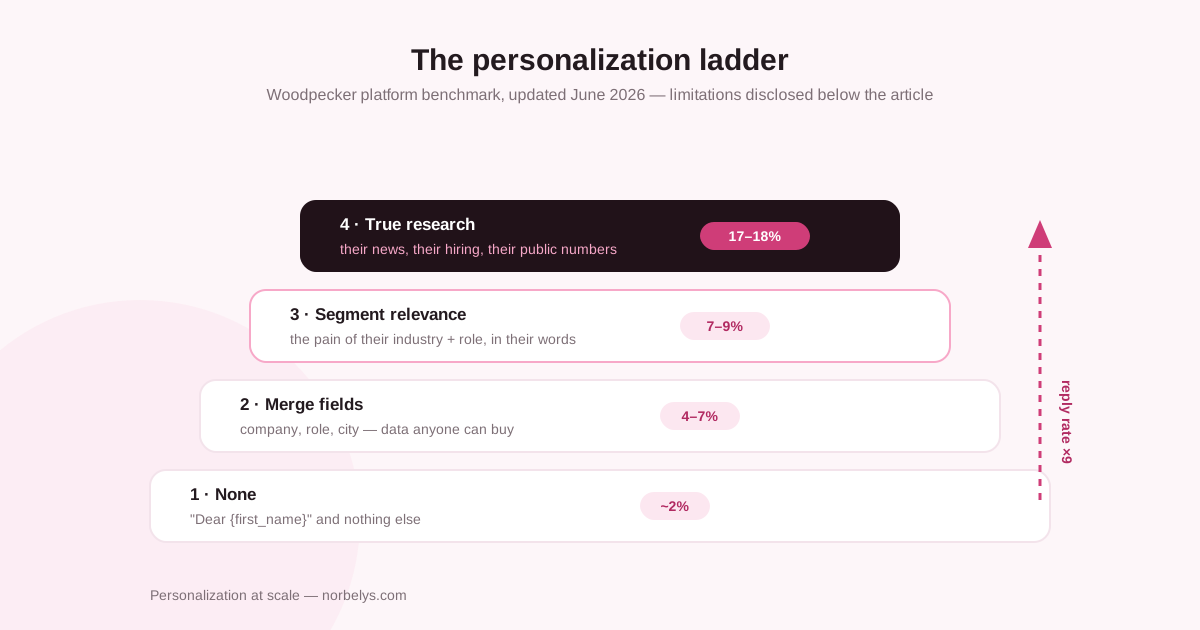
The four rungs
Rung 1 — none (~2%). “Dear {first_name}, I’ll keep this brief.” The
reader has seen this email nine times this week from nine companies. At this
rung, results scale only with volume, which is the spam business model with
worse margins.
Rung 2 — merge fields (4–7%). Company, role, city, tech stack. Better —
but this is data anyone can buy, and readers have learned that
“{company} is doing great things in {industry}” means a robot filled a
slot.
Merge fields are table stakes, not personalization.
Rung 3 — segment relevance (7–9%). Now the message changes by who they are: the email to heads of RevOps names the Friday pipeline reconciliation; the email to agency owners names the client-reporting scramble. One pain per segment, in the segment’s own words. This is the highest rung reachable with copy alone — and where small, specific lists are associated with higher reply rates in the same vendor benchmark.
Rung 4 — true research (17–18%). The first line references something that happened to this company: the funding post, the three SDR openings, the pricing change, the founder’s post about churn. It cannot be templated, which is exactly why it works — the first line proves homework no bulk sender would do.
The economics of each rung
The ladder isn’t just a quality scale — it’s a cost curve:
| Rung | Cost per prospect | Replies per 1,000 sends |
|---|---|---|
| None | ~0 seconds | ~20 |
| Merge fields | ~0 (data cost only) | 40–70 |
| Segment relevance | minutes per segment | 70–90 |
| True research | 2–10 minutes per prospect | 170–180 |
Read the last column against your list size and the strategy writes itself: below a few hundred carefully chosen prospects, rung 4 is unambiguously worth the hours. A 300-prospect list at rung 4 out-produces a 3,000-prospect list at rung 2 — with a tenth of the deliverability exposure, because every extra thousand sends is another thousand chances to hit the complaint threshold.
Climbing rung 4 without interns
The traditional objection: research doesn’t scale. Three honest answers, in ascending order of automation:
1 · Let triggers do the research. Build segments from events — just raised, just hired SDRs, just launched — and the personalization is inherited from the segment. Ten minutes of sourcing buys a first line for fifty prospects at once.
2 · Timebox to 120 seconds per prospect. Hiring page, last three posts, public numbers — one specific is enough. The first-lines guide shows where to look so the two minutes actually produce a sentence.
3 · Automate the research, keep the judgment. This is the one place AI genuinely changes the cost curve — if it shows receipts. Norbe researches each prospect per send and drafts the personalized line with cited sources, so you can check its homework instead of trusting a hallucination with your domain. You approve; it sends.
What doesn’t work: asking a model to “sound personal” with no data. That produces confident guesses — flattery about initiatives that don’t exist — and one wrong guess costs more trust than rung 2 ever earns.
Spintax is not on this ladder
A note on the tactic tools love: spintax ({Hey|Hi|Hello}) randomizes
wording so filters see fewer identical messages. Fine as deliverability
hygiene at volume — but it personalizes nothing. The reader gets a different
greeting, not a different reason to reply. File it under
infrastructure, not under
personalization, and never let it substitute for a rung.
Measure the rung, not the vibes
Personalization claims are testable: run rung 2 against rung 3 against rung 4 on matched segments and A/B on replies — never on opens, which are mostly machines. On Norbelys the A/B winner is called on real replies by default, which is precisely the metric this ladder moves.
One more rung exists above 18%, for the record: the email a founder writes personally to someone they genuinely want to work with, no tool involved. Nothing on this page beats it. Everything on this page exists to buy you the time to send more of those.